

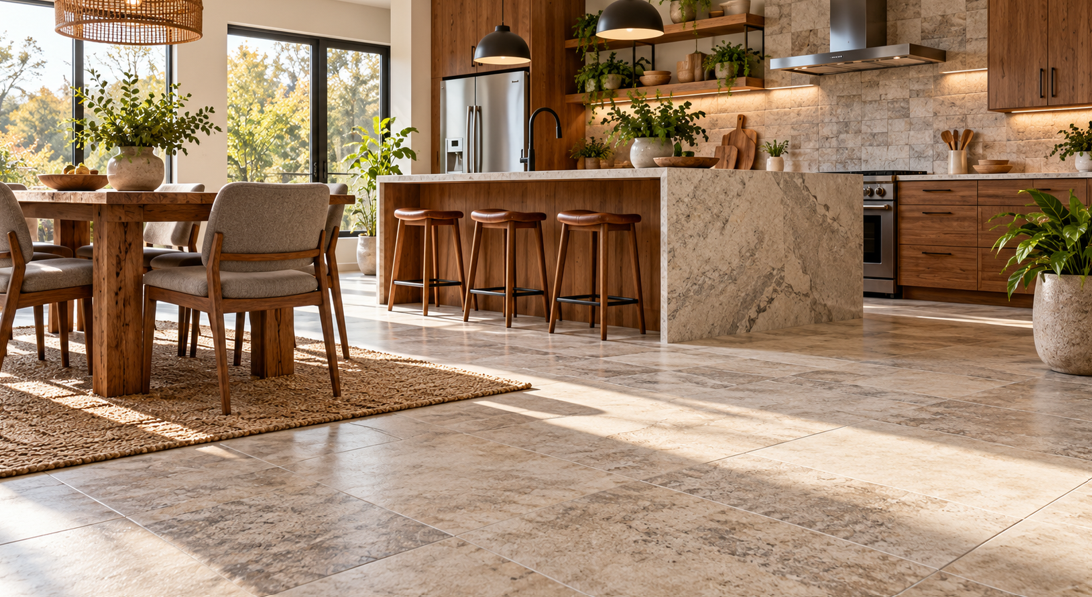
Sustainable remodeling does not have to mean sacrificing style, durability, or practicality. For Nebraska homeowners planning a kitchen, bathroom, entryway, or full-home update, flooring is one of the biggest surfaces in the space, which makes it an important part of the overall design decision.
Tile can be a strong option for homeowners who want a long-lasting floor with a wide range of colors, finishes, patterns, and materials. Some tile products also incorporate recycled content, use natural materials, or are produced through manufacturing processes designed to reduce waste or energy use.
The key is to look beyond broad "green" claims and consider the full picture: how the tile is made, how long it is likely to last, what materials it contains, how far it travels, and whether it suits the room where it will be installed.
With more than 30 years of flooring experience, Carpet Pros helps homeowners throughout the Kearney area explore beautiful, durable flooring options that fit their homes, lifestyles, and remodeling goals.
What Makes a Tile Option More Eco-Friendly?
There is no single feature that automatically makes one tile product sustainable and another unsustainable.
Instead, homeowners can look at several factors together.
Recycled Content
Some tile products include recycled materials from manufacturing waste, glass, ceramic, or other sources.
That can reduce the amount of new raw material needed for production and help divert usable materials from waste streams.
The amount and type of recycled content varies by product, so homeowners interested in this feature can check manufacturer specifications instead of relying only on marketing language.
Longevity
One of the most practical sustainability advantages of tile is its potential lifespan.
A flooring material that performs well for many years may reduce the need for frequent replacement.
That matters because replacing flooring involves more than buying a new surface. It may also involve removing and disposing of the previous material, transporting new products, and using additional installation materials.
Choosing tile that suits the room and expected traffic can help homeowners prioritize long-term value.
Manufacturing Practices
Some manufacturers focus on reducing:
Energy use.
Water consumption.
Production waste.
Packaging.
Emissions associated with manufacturing.
If sustainability is an important part of the remodel, homeowners can look for clear manufacturer information about these practices.
Responsible Product Selection
A sustainable choice also needs to be practical.
A product that looks environmentally appealing but is poorly suited to the room may need to be replaced sooner.
Durability, moisture suitability, maintenance needs, and installation requirements all deserve attention.
Recycled-Content Tile Can Give Materials a Second Life
One of the easiest sustainability features to understand is recycled content.
Instead of relying entirely on virgin materials, some tile products incorporate materials that have already been used or generated during manufacturing.
Recycled Glass Tile
Recycled glass tile can provide distinctive color, shine, and visual texture.
Depending on the product, recycled glass may be used in:
Backsplashes.
Decorative walls.
Shower accents.
Mosaic installations.
Feature areas.
Glass can create a bright, modern look and may be particularly appealing in spaces where homeowners want color and reflection.
However, not every glass tile is intended for floor use. Product specifications need to be checked carefully before using it in high-traffic or wet areas.
Recycled Ceramic Content
Some ceramic and porcelain products incorporate reclaimed manufacturing material back into production.
This can reduce material waste while still creating a finished tile designed for residential use.
The recycled percentage varies, so homeowners who care about this detail can compare technical information across products.
Recycled Materials Do Not Have to Look Recycled
One common misconception is that sustainable materials need to look rustic or obviously reclaimed.
Modern recycled-content tile can resemble:
Natural stone.
Concrete.
Hardwood.
Traditional ceramic.
Contemporary large-format tile.
That gives homeowners more freedom to choose a style that fits the space rather than designing the entire room around the sustainability feature.
Porcelain Tile Can Support Long-Term Remodeling Goals
Porcelain tile is often considered for kitchens, bathrooms, entryways, and other areas that need a durable surface.
From a sustainability perspective, one of its strongest advantages can be longevity when the product is appropriate for the installation.
Durability Can Reduce Replacement Frequency
A floor that performs for a long period may help reduce the cycle of removing, disposing of, purchasing, and installing replacement flooring.
That makes durability part of the sustainability conversation.
A product does not need an obvious environmental label to contribute to a lower-replacement approach.
Choose the Right Product for the Room
Porcelain tile products vary considerably.
Homeowners should consider:
Intended installation area.
Moisture exposure.
Foot traffic.
Surface texture.
Maintenance.
Subfloor conditions.
Choosing appropriately is important because even a durable product can underperform if it is used in the wrong environment or installed over an unsuitable base.
Think Beyond Current Trends
It can be tempting to choose a highly specific design because it is popular today.
Homeowners interested in long-term use may benefit from choosing colors and patterns they are likely to enjoy for many years.
Timeless does not have to mean plain.
Natural stone looks, warm neutrals, subtle textures, and classic patterns can all create distinctive interiors without relying on a short-lived trend.
Ceramic Tile Offers Versatility for Sustainable Remodels
Ceramic tile remains popular because it can work across a broad range of residential designs.
It can also support sustainable remodeling when homeowners choose products thoughtfully and use them in appropriate spaces.
Use Ceramic Where Its Performance Makes Sense
Not every room requires the same level of durability.
A ceramic tile suited to a wall, backsplash, or lower-demand residential application may be a practical choice without over-specifying the project.
Matching the product to the use can help homeowners avoid unnecessary material or performance requirements.
Consider Simple, Long-Lasting Designs
Ceramic tile offers an enormous range of styles.
Homeowners can create an enduring look with:
Neutral subway tile.
Soft earth tones.
Simple geometric patterns.
Handmade-inspired textures.
Classic rectangular formats.
A design that remains visually appealing for years can reduce the desire to remodel again simply because the room feels dated.
Use Accent Tile Strategically
Sustainability does not always require using one material across an entire room.
A small amount of distinctive tile can create visual impact without covering every surface.
For example, homeowners may use a decorative tile as:
A kitchen backsplash.
A shower niche.
A bathroom accent wall.
A fireplace surround.
A border or focal point.
This can help create a customized design while keeping the overall material plan efficient.
Natural Stone Can Be a Long-Lived Choice When Selected Carefully
Natural stone has been used in homes and buildings for generations.
Materials such as slate, marble, limestone, and granite can offer distinctive variation that manufactured surfaces cannot completely duplicate.
From a sustainability perspective, natural stone's appeal often comes from durability and long service life.
Every Piece Is Naturally Unique
Stone contains variations in:
Color.
Veining.
Texture.
Pattern.
That gives homeowners a one-of-a-kind surface without relying on printed repetition.
Maintenance Requirements Vary
Natural does not automatically mean low maintenance.
Some stone requires sealing or more careful cleaning than porcelain or ceramic.
Homeowners should understand the maintenance expectations before choosing a material.
A floor is more likely to remain in place long term when the homeowner is comfortable caring for it.
Consider the Full Product Journey
Natural stone may travel significant distances before reaching a Nebraska home.
Homeowners who prioritize environmental impact can ask where materials are sourced and compare options where that information is available.
This is another reason sustainability is best viewed as several factors working together rather than a single label.
Look for Tile With Credible Environmental Information
Sustainability claims can sound impressive, but vague terminology does not always tell homeowners very much.
Clear documentation is more useful than broad labels such as "green" or "eco."
Ask What the Claim Actually Means
If a tile is marketed as environmentally responsible, find out why.
Does it contain recycled content?
Was production waste reduced?
Does the manufacturer publish environmental information?
Is the claim tied to a recognized certification or documented manufacturing practice?
Specific answers are more meaningful than general branding.
Check Manufacturer Documentation
Many manufacturers publish information about:
Material composition.
Recycled content.
Manufacturing locations.
Environmental policies.
Product certifications.
Technical performance.
Homeowners do not need to become materials experts, but checking available documentation can make comparisons more informed.
Avoid Assuming Every Product From a Brand Is Identical
A manufacturer may offer dozens of tile collections with different compositions and production methods.
If sustainability is a major priority, evaluate the actual product being considered.
Homeowners planning an environmentally conscious remodel can explore available tile flooring options and compare styles, applications, and product information based on the needs of each room.
Choose Tile That Works With Nebraska Homes
Sustainability also means choosing flooring that works well in the environment where it will actually be used.
Nebraska homes experience seasonal temperature changes, winter moisture, muddy spring conditions, and busy everyday living.
Entryways and Mudrooms
These areas may see:
Wet boots.
Snow.
Mud.
Salt.
Sand.
Frequent foot traffic.
A tile selected for durability and easy cleaning can make these spaces easier to maintain.
Surface texture also deserves attention when floors may become wet.
Kitchens
Kitchen floors need to handle daily traffic, food spills, chairs, and repeated cleaning.
A long-lasting, easy-to-maintain tile can make sense for homeowners who want a surface they will not need to replace frequently.
Bathrooms
Moisture resistance is especially important in bathrooms.
Tile can work well around showers, tubs, sinks, and other wet areas when the complete installation system is designed appropriately.
Laundry and Utility Areas
These spaces often benefit from flooring that is easy to clean and suited to occasional moisture.
The most sustainable flooring choice is one that genuinely fits the room rather than simply carrying an environmental claim.
Large-Format Tile Can Reduce Visual Clutter
Large-format tile has become popular in contemporary interiors because it creates a clean, continuous appearance.
Fewer grout lines can make rooms feel larger and calmer.
A Streamlined Look
Large tiles can work well in:
Open-plan living areas.
Kitchens.
Bathrooms.
Entryways.
They can complement both modern and transitional interiors.
Fewer Grout Lines
Larger tiles naturally create fewer grout joints across a floor or wall.
For some homeowners, that can simplify routine cleaning and create a more seamless look.
Installation Preparation Matters
Large-format tile requires careful substrate preparation.
Uneven surfaces can make installation more challenging, so the condition of the floor or wall needs to be evaluated first.
A quality installation supports longevity, which is an important part of sustainable remodeling.
Wood-Look Tile Can Deliver a Natural Style With Tile Performance
Many Nebraska homeowners like the warmth of wood-inspired interiors but want tile performance in specific rooms.
Wood-look tile can offer that combination.
Use It in Moisture-Prone Areas
Wood-look tile can be especially useful in:
Bathrooms.
Mudrooms.
Laundry areas.
Entryways.
Kitchens.
It provides a wood-inspired appearance without requiring homeowners to use the same material throughout the entire home.
Choose a Style You Will Enjoy Long Term
Wood-look tile ranges from light Scandinavian-inspired finishes to deep traditional browns and rustic textures.
For a more timeless design, consider tones that coordinate easily with changing wall colors, furniture, and cabinetry.
Keep the Design Natural
A realistic wood-look installation benefits from thoughtful plank layout and color variation.
The goal is not simply to imitate wood but to create a balanced floor that works naturally with the room.
Reduce Waste Through Better Planning
Product choice is only one part of a sustainable remodeling project.
Planning can also affect how much material is wasted.
Measure Carefully
Accurate measurements help avoid ordering far more tile than necessary.
Some extra material is usually useful for cuts, breakage, and future repairs, but excessive over-ordering creates unnecessary waste.
Plan the Layout Before Installation
A thoughtful tile layout can reduce awkward cuts and unnecessary discarded pieces.
This is particularly useful when working with:
Large-format tile.
Geometric patterns.
Borders.
Feature walls.
Small rooms with many corners.
Save Useful Extra Tile
Keeping a small amount of matching material can be valuable if a tile becomes damaged years later.
That can allow a localized repair instead of a much larger replacement project.
Store spare tile in a dry, protected location and label it clearly.
Think About the Entire Life of the Floor
Sustainable remodeling is not only about what happens on installation day.
It is also about how the floor performs over time.
Choose for Durability
A product that suits the room and household can remain useful for many years.
Maintain It Properly
Follow manufacturer guidance for:
Cleaning.
Sealing where applicable.
Grout care.
Recommended cleaning products.
Good maintenance supports longevity.
Repair When Practical
A damaged individual tile may sometimes be replaceable without removing the entire floor.
This is one reason saving extra matching material can be helpful.
Avoid Remodeling Solely for Trends
If a floor is still functional and attractive, there may be no need to replace it simply because another style becomes popular.
Designing around personal taste rather than short-term trends can support longer-lasting interiors.
Create a Sustainable Remodel That Still Feels Like Home
Eco-friendly remodeling works best when sustainability and everyday living support each other.
For Nebraska homeowners, that may mean choosing tile with recycled content, prioritizing durable products, looking for transparent manufacturer information, reducing material waste, and selecting designs that will remain appealing for years.
It may also mean something simpler: choosing the right floor the first time.
A beautiful tile that performs well in the room, receives appropriate care, and stays in place for many years can contribute to a thoughtful remodeling strategy.
Carpet Pros helps homeowners throughout Kearney, Grand Island, Arnold, Lexington, Minden, and surrounding Nebraska communities explore stylish, dependable flooring for both practical and design-focused projects.
If you're planning a sustainable home remodel and want help comparing tile options for your space, get in touch with our team to discuss your project.

